



Success Stories
Some have put chronic ailments like arthritis or high blood pressure and cholesterol behind them. Others experienced dramatic weight loss while others faced and overcame far more dire circumstances. Learn about successful weight loss stories from using the starch solution. Here is where our Star McDougallers speak for themselves.





 Featured story
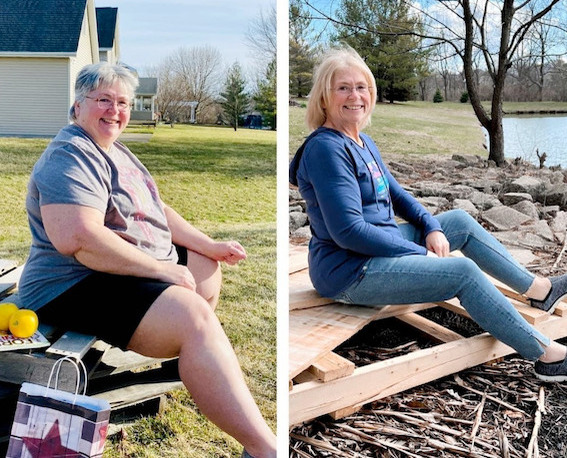
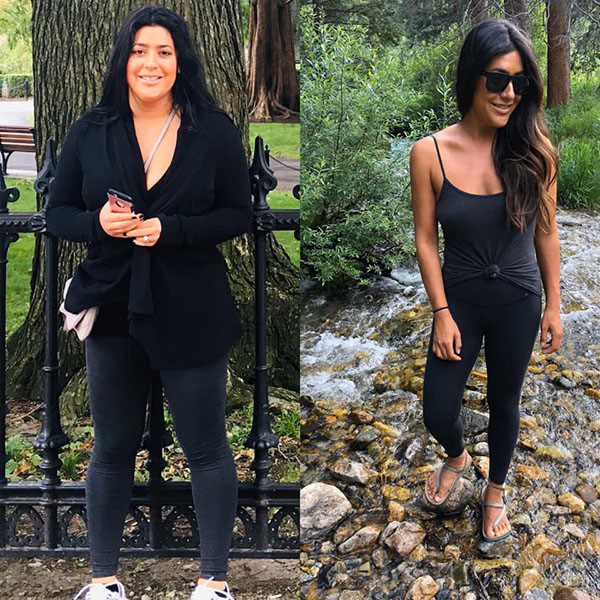
Kiki's Weight Loss Success: What a Change Has Taken Place in My Life!!

More Starch Solution Success Stories


Penny and Ralph in Control of Their Lives
The events that began September 2004 were life-changing for me (Ralph). While visiting our middle daughter and her husband in Indiana, I fell ill—I knew something was seriously wrong. After returning to California, the next day I sought out medical help. My doctor diagnosed me with atrial fibrillation—a heart problem where the top chambers of my heart (the atria) beat so rapidly and irregularly, they would appear like a bag full of worms. I spent the night in our local hospital’s ICU Cardi
Star McDougaller: Mike Teehan
“I used to eat such large quantities of greasy globs of guck that taste was never the issue. Today food is an experience of pleasure. Now I actually taste my food.”—Mike Teehan Ever since I was a child, my whole life has been centered on food. Whenever things with my alcoholic father got too bad, my mom would pack me and my sister up, and we’d all go on an eating binge of candy, hot dogs, potato chips, whatever was quick and cheap. By the time I was in 6th grade I weighed nearly
Success Stories: Star McDougallers in Their Own Words
Read and listen to the inspiring success stories of people who reclaimed their health by following the McDougall Program. Some put chronic ailments behind them, others experienced dramatic weight loss, and still others faced and overcame far more dire circumstances. Here is where our Star McDougallers speak for themselves.

Jessica Bowen: My Winning Battle with Breast Cancer
Jessica Bowen, in her own words. I've always considered myself pretty healthy. My weight was an issue at times, and I tried a variety of diets throughout the years, but every doctor's visit and all the tests told me I was in excellent health. My husband and I wanted to start a family, so to be as healthy as possible I stuck to what I thought was best: a high-protein, low-carb diet. After two miscarriages I decided to heck with eating healthy—while eating "healthy" I'd lost two babies. I plung
Jeb McIntyre: Lost Weight and Regained his Health
Jeb tells in his own words of how he lost weight, reduced most of his expensive medications and has greatly reduced symptoms of arthritis in his hands after going through the McDougall 10 Day Program in Santa Rosa, CA.
Cloudy Rockwell: Loses a Hundred Pounds
Cloudy describes former self as "obese" She had trouble climbing stairs, sleeping and even moving about. Hear her wonderful story and the new added benefits of eating foods Human beings were meant to eat. Looking and feeling great in Alaska I have been heavy most of my life, but until I began this way of eating, I did not realize that I had been obese for almost all of my adult life. I had been in a certain amount of denial, during the last 35 years of being way heavier than my body should hav
Successful Weight Loss Tips
I believe in the perfection of nature’s design. Everywhere I look there is an interrelationship among all living things and the surrounding environment that supports harmonious survival and growth. I find it hard to believe that the human being would be any less well taken care of than other animals and plants on this Earth. Then why is it that our hunger drive seems to be mismatched with our needs and the size of our stomach, so that we have to consciously count every morsel of food that pass
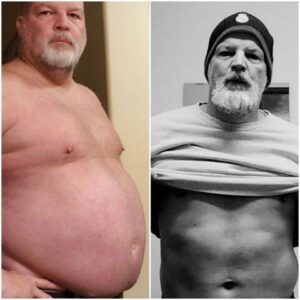
Vance: Lost 92 pounds
At 53 years-old, I was on a downward spiral At 53 years-old, I was on a downward spiral: gaining weight, chest pains increasing daily, high blood pressure, chronic gout arthritis I had suffered from since birth, bad bursitis, and constant blood in my stool. A new symptom seemed to appear every day. I knew, at the very least, I was close to a heart attack or worse. In a moment of clarity I Googled, “can heart disease be reversed?” Dr. McDougall came up and I started to watch and read eve
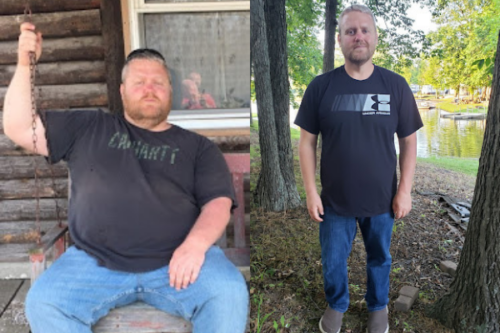
Derrick: Discovered the McDougall Program and Lost 160 Pounds
I don't know where to start! I guess I should probably start with thanking Dr. McDougall for giving me a brand new outlook on life! I started following the McDougall program in May of 2020, I turned 36 this May (2021). For the last 15 years, I have struggled with my weight. I was always a bigger kid growing up but as I got older my weight got more and more out of control. No amount of exercise would help! I combined nearly every diet imaginable with rigorous exercise routines and still, the stru
Cloudy Rockwell: Loses a Hundred Pounds
Cloudy describes former self as "obese" She had trouble climbing stairs, sleeping and even moving about. Hear her wonderful story and the new added benefits of eating foods Human beings were meant to eat. Looking and feeling great in Alaska I have been heavy most of my life, but until I began this way of eating, I did not realize that I had been obese for almost all of my adult life. I had been in a certain amount of denial, during the last 35 years of being way heavier than my body should hav
Jeb McIntyre: Lost Weight and Regained his Health
Jeb tells in his own words of how he lost weight, reduced most of his expensive medications and has greatly reduced symptoms of arthritis in his hands after going through the McDougall 10 Day Program in Santa Rosa, CA.
Karen Barrow: Lost 100 Pounds & Kept it Off
Karen Barrow lost 100 pounds and kept it off for 3 years by eating a delicious low-fat starch-based diet. Finally, the path to permanent weight-loss I began struggling with weight-gain after giving birth to my two children: I was 29 years old, stood 5'4", and weighed 165 pounds. In the early eighties I went through a divorce and other emotionally challenging periods and started eating as a way to comfort myself. In a matter of just a couple of years, I was 100 pounds overweight. I was now 37 a
Atkins Diet Is As Good as Chemotherapy for Weight Loss
Research released Monday, November 18, 2002, at the annual scientific meeting of the American Heart Association, showed that people on the Atkins low-carbohydrate diet lost more weight and had better cholesterol and triglyceride counts than people on a traditional Heart Association-approved low-fat diet. The study was funded by the Dr. Robert C. Atkins Foundation, a private nonprofit organization that funds research on carbohydrates and was founded by the author of the Atkins diet. The study was
Niacin - A Time Honored Treatment for Cholesterol and Triglycerides
Present day treatment with the most popular cholesterol lowering agents, called ‘statins,’ is far from ideal. In addition to the high costs, requirement of a doctor’s prescription, and side effects, intensive therapy is still associated with progression of artery disease based upon heart scans (serial electron beam tomography - EBT). A recent study using enough medication to reduce the total cholesterol close to an ideal level of 150 mg/dl unfortunately found a 7.5% to 11% increase in the
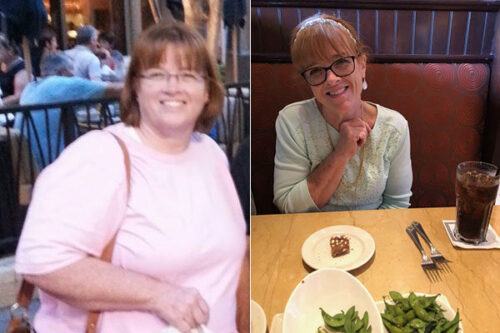
Melysa: Ticking Time Bomb Turned Off
Have you ever learned something so valuable and life-changing that you wanted to share it with everyone you know so they, too, can benefit from it? My life-changing moment came on Thursday, January 7, 2016. A wonderful internist in College Station, TX, Dr. Philip Alexander, who was not my doctor, said without hesitation, “the only way for a person who eats our rich Western diet to lose weight and keep it off is to read and follow The Starch Solution. As soon as I heard the word “sta
James Brown: High Blood Pressure & High Cholesterol
James Brown describes how he cured himself of high blood pressure and cholesterol and avoided heart surgery (bypass). He regained his lost health by a simple change to the McDougall Program.
John Roberts: High Cholesterol & Upper Respiratory Illnesses
John Roberts was sick with high cholesterol and upper respiratory illnesses during his younger years when he ate the American diet. He is now in excellent health and does not take medication. You can restore your lost health by switching to the McDougall Program.
Joanne Irwin: Reduces Cholesterol, Cures Arthritis, Helps Others
Picture the scene: a cocktail party, abundant appetizers, flourishing conversation; and then suddenly, whispers filter through the crowd as word spreads that the hostess has "gone vegan." "My goodness," says an alarmed guest, "What will we eat?" Another comments, "I knew something was up—she looks thin." Someone else interjects, "Those vegans are just leftover hippies from the sixties." A few gather and laugh, "Yeah, supposedly they eat nothing but air; give me my statins and let me eat all
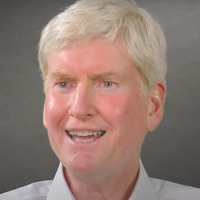
Mark Jones: Cures Arthritis, Heart Disease & Obesity
Mark Jones: Cures Ankylosing Spondylitis (severe arthritis), heart disease, and obesity. Mark was looking to get "Heart Healthy" after his cardiologist gave him some shocking news...and in the process, he won a 20 year battle with arthritis and lost 70 lbs. This interview as taped at the Feb 2012 McDougall Advanced Study Weekend. See Mark's update: Mark’s Cardiologist Told Him He Wouldn’t See His 64th Birthday
Mary Duffield: Cures Obesity & Hypertension
Mary Duffield: Cures Obesity, Hypertension & Osteoporosis Prayers Do Get Answered My journey to better health and an energetic life began in a very strange way – at my husband's Christmas luncheon in December of 2002, he drew the name of the Gilroy office secretary, Sue Wallen to sit by. He struck up a conversation after noticing her unusual lunch (steamed vegetables and a baked potato). She told him she was on a program designed by Dr. John McDougall that was making a huge difference in h
Joyce Rainwater: Overcoming Obesity for Good
"I knew I wanted to eat differently than I ever had before because I wanted a different outcome." —Joyce Rainwater "Somebody help me. Please, tell me what to do. I'll do whatever you say. Just please, help me," I cried aloud in despair, arms reaching upward for mercy. There I stood, alone in my apartment's small living room one dark and rainy Saturday afternoon in February, 1991. At 46 years old and 220-pounds (on a 5'4" frame), I was locked in a destructive cycle of binge eating and strict di
Ashley: Compulsive Overeating, Obesity
Ashley's Long Struggle I'm not sure what caused my compulsive overeating but I do know that as long as I can remember, I've always been preoccupied with food. I grew up in a family that was very image conscious and diet obsessed. My weight was always a focus of everyone's attention. I was a normal sized child until age 8 when my grandma started picking me up from school and taking me for an afternoon snack at a fast food restaurant drive-thru. We would pick up a snack big enough to be a meal for
Dan Curtin: Depression, Hypertension, GERD, Obesity
"I decided I had to rebuild my health." My name is Dan Curtin, I'm 59 and a half years old. I'm from Wisconsin, "America's Dairy Land". I'm a poet, songwriter, and folk-singer. Every poet, however, needs a day job, so for more than 30 years I had worked as a Labor Market Analyst for the State of Wisconsin. I retired a year ago, because I was physically and mentally burned-out. When I retired I weighed 226 pounds at five feet eight inches in height! My blood pressure with medication was running a
Jason Wyrick: Cured Type-2 Diabetes and Obesity
Cured Type-2 Diabetes - No Cost When I was in my teens, I was a thin kid, in good health, and very active. I am still amazed that, ten years later, I found myself in a hospital in Austin, Texas, well over a hundred pounds overweight, being treated for an infection, and being told I was diabetic. I was more than scared when I found out, I was ashamed. I was under 30, diabetic, and looking at the prospect of having to take medication for the rest of my life. More than ashamed, I was desperate. I
Mary Duffield: Cures Obesity & Hypertension
Mary Duffield: Cures Obesity, Hypertension & Osteoporosis Prayers Do Get Answered My journey to better health and an energetic life began in a very strange way – at my husband's Christmas luncheon in December of 2002, he drew the name of the Gilroy office secretary, Sue Wallen to sit by. He struck up a conversation after noticing her unusual lunch (steamed vegetables and a baked potato). She told him she was on a program designed by Dr. John McDougall that was making a huge difference in h
James Brown: High Blood Pressure & High Cholesterol
James Brown describes how he cured himself of high blood pressure and cholesterol and avoided heart surgery (bypass). He regained his lost health by a simple change to the McDougall Program.
Jim Ettinger: Heart Disease, Cholesterol, Hypertension
Escapes Heart Surgeons I was born in 1940 in a suburb of Vancouver, Canada. I loved to be outdoors and active as I was growing up, and was generally a healthy kid. I topped out at 6 feet, and weighed a lean 187 lb. for many years. Mostly I worked in jobs that required much physical activity and chose active outdoor recreations, which helped me stay trim even though I was eating a standard North American diet and drinking quite a bit of alcohol. I started to gain weight when I was about 30. At th
Barbara Ellicott: Hypertension, Marathon Runner
I am 62 years old and work as a speech/language pathologist. As a '41 ‘model', I was raised in a family where consuming meat, potatoes, veggies and lots of dairy was considered the norm. Although I was a relatively active child, I was ‘chubby' and was the target of teasing, hated "phys. ed.", and was chosen last for a team, if at all. As an adolescent, I decided to diet and since high protein diets (complete with high protein bread, no less!) were the fad of the day, I diligently began one.
Dan Curtin: Depression, Hypertension, GERD, Obesity
"I decided I had to rebuild my health." My name is Dan Curtin, I'm 59 and a half years old. I'm from Wisconsin, "America's Dairy Land". I'm a poet, songwriter, and folk-singer. Every poet, however, needs a day job, so for more than 30 years I had worked as a Labor Market Analyst for the State of Wisconsin. I retired a year ago, because I was physically and mentally burned-out. When I retired I weighed 226 pounds at five feet eight inches in height! My blood pressure with medication was running a
Howard Bartner: Coronary Heart Disease, Hypertension
I am 72 years old and retired in 2000 as Chief of Medical Illustration for the National Institutes of Health, after 42 years of service. As a graduate of the medical and biological program of the Johns Hopkins School of Medicine, I hold an appointment as Associate Professor, where I teach part-time. My health was OK until 1997 when I started experiencing shortness of breath and had to slow down when walking – I was not overweight. I noticed after 10 minutes on my stationary bicycle I started h
The Heart Association Condemns High-Protein Diets
The Heart Association Condemns High-Protein DietsThe Atkins Diet, The Zone, Protein Power, Sugar Busters and the Stillman Diet all came under the attack of the Nutrition Committee of the American Heart Association (AHA) in a report in the October 9, 2001 issue of the journal Circulation (104:1869-74, 2001).The abstract of this article clearly condemns these diets, “High-protein diets typically offer wide latitude in protein food choices, are restrictive in other food choices (mainly carbohydra
Is There a Battle Brewing between the American Heart Association’s Nutrition Committee and McDougall?
The story begins with the publication of an article on the hazards of high protein diets (Atkins, the Zone, Sugar Busters, etc.) by the Nutrition Committee of the American Heart Association (AHA). Unfortunately, the Committee made a serious error when writing about plant-food based diets. As you will read below, I have attempted to correct this mistake; so far without success. And it appears the battle for the truth may have just begun.This letter from me (John McDougall) appeared in the June 25
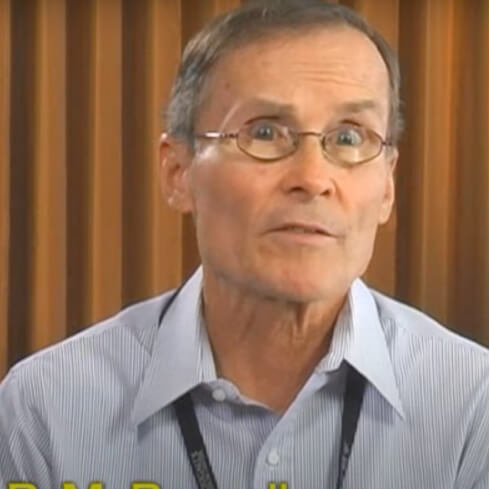
Bill Zahlar: Suffered Massive Heart Attack
Bill Zahlar talks about how he thought he was healthy and could eat anything he wanted until he had a masive heart attack that nearly killed him. He regained his health on the McDougall Program.
Mark Jones: Cures Arthritis, Heart Disease & Obesity
Mark Jones: Cures Ankylosing Spondylitis (severe arthritis), heart disease, and obesity. Mark was looking to get "Heart Healthy" after his cardiologist gave him some shocking news...and in the process, he won a 20 year battle with arthritis and lost 70 lbs. This interview as taped at the Feb 2012 McDougall Advanced Study Weekend. See Mark's update: Mark’s Cardiologist Told Him He Wouldn’t See His 64th Birthday
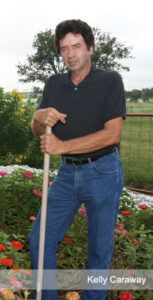
Kelly Caraway: Choosing diet over drugs after a heart attack
Joining the Medical Business One afternoon, in September of 2006, about a month after I turned 58, I was overtaken by excruciating chest pain, nausea, and profuse sweating. I tried to "walk it off" for about two hours at home but finally decided to go to the emergency room. I was sure that if I could just get some pills that everything would be fine. I drove myself 40 miles to the nearest hospital, and the next thing I knew the staff was looking for a helicopter to airlift me to a hospital that
Edna Roseberry: Elderly, Angina, Reverses Heart Disease
Becoming Younger Every Day My husband and I farmed in Iowa from the 1940's until retiring in 1980. We raised three sons, worked hard, and ate what was in those times considered to be a healthful diet: fresh and canned vegetables from our abundant garden with plenty of home-grown beef, pork, chicken, eggs, and, of course, milk and cream from our hand-milked cows. It was a small farm style of living that is now rare in this era of corporate and factory farms. My husband passed away five and a half
The Pancreas: Under Attack by Cow-Milk
The PancreasUnder Attack by Cow-MilkMost likely you will never know you have a pancreas, yet without it you would become very sick, and likely die. So this little organ is working 24/7 for you, most of the time without a single complaint. Anatomically, the pancreas is about six inches long and two inches wide, weighs about 3 ounces, and is situated in the posterior, upper left part of your abdomen. In the butcher shop this organ is sold as sweetbread (from a cow). Based on its functions, the pan
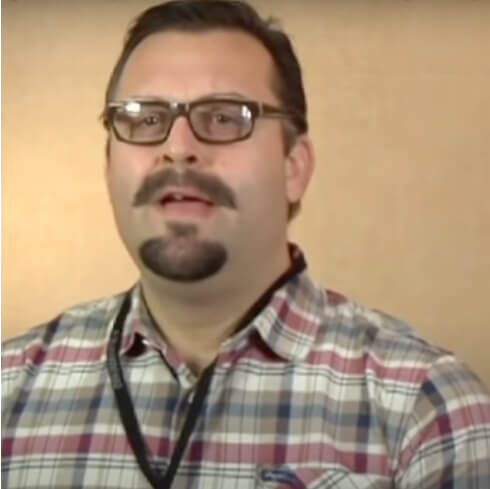
Benjamin Eksouzian: Cures Type-2 Diabetes
Benjamin lost weight and stopped taking five costly medications.
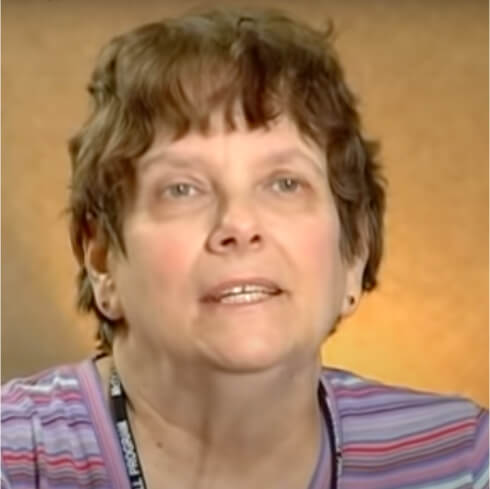
Barbara Leary: Suffered from Type-2 Diabetes
Barbara Leary suffered from type-2 diabetes and took many medications. She tells how she was able to eliminate taking a huge bag full of pills and cure her diabetes by following the McDougall Program.
Michael Goldberg: Type-1 Diabetes w/o Complications
Michael Goldberg got the news that he had type 1 diabetes when he was 8 years old. Now 58 he still takes insulin but all of his other medical numbers are normal. Hear his inspirational account of how he does it. This interview was taped at the Feb 2012 McDougall Advanced Study Weekend in Santa Rosa, CA
Jason Wyrick: Cured Type-2 Diabetes and Obesity
Cured Type-2 Diabetes - No Cost When I was in my teens, I was a thin kid, in good health, and very active. I am still amazed that, ten years later, I found myself in a hospital in Austin, Texas, well over a hundred pounds overweight, being treated for an infection, and being told I was diabetic. I was more than scared when I found out, I was ashamed. I was under 30, diabetic, and looking at the prospect of having to take medication for the rest of my life. More than ashamed, I was desperate. I
Scott Raphael, N.D.: Type-2 Diabetes, Obesity
My health problems started even before I was born. My paternal grandparents were grossly overweight. My grandfather, a butcher, always thought that animal protein was the way to good health. As a child, each meal was laden with heavy servings of meat. After my grandfather retired, my father continued this tradition by purchasing meat at very low prices from grandpa's friends; for example, breakfast was at least two or three pounds of bacon, or a thick ham steak for each of us. (Those choices alw
Rheumatoid Arthritis Study by Dr. McDougall Released
Effects of a very low-fat, vegan diet in subjects with rheumatoid arthritis was just reported in the February 2002 issue of the Journal of Alternative and Complementary Medicine. Patients with moderate to severe arthritis were fed Dr. McDougall’s diet and they got much better, with a decrease in symptoms and weight loss in less than 4 weeks. COMMENT: Inflammatory arthritis (the kind with swollen, hot, painful joints) is one of the conditions I most enjoy treating. This i

Juliea Baker: Juvenile Rheumatoid Arthritis
Juliea Baker was diagnosed with Juvenile Rheumatoid Arthritis (JRA) when she was 16. After changing to the McDougall Diet she is now completely cured. Juliea Baker, in her own words. My name is Juliea Baker and it’s a miracle that today I am a healthy 18-year-old college student. When I was 15 years old, totally out of the blue, I awoke one day with severe jaw pain. The pain hurt so bad I could barely chew any type of food for days. My mom took me to the doctor and they could not find any re
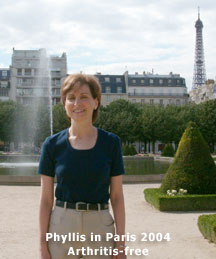
Phyllis Heaphy: Cured of Rheumatoid Arthritis
Phyllis Heaphy cured her rheumatoid arthritis and got her life back by following a simple diet of delicious foods, no pills, side effects, or expense. Former Rheumatoid Arthritis Patient I have overcome rheumatoid arthritis (RA) by following Dr. McDougall's dietary suggestions, and my recent trip to Paris has inspired me to tell everyone about my recovery. My goal with this account is to help others suffering with crippling arthritis. About eight years ago, at the age of 46, I began sufferi
Jackie Swoboda: Cured Rheumatoid Arthritis
Jackie Swoboda cured her rheumatoid arthritis, lost 50 pounds and got her life back by following a simple diet of delicious foods, no pills, side effects, or expense.
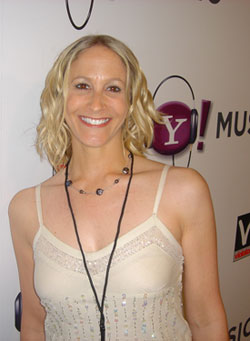
Meredith Fishman: Running Marathons after Debilitating Rheumatoid Arthritis
I am a 40 year-old female competitive marathon runner, 5 feet 3 inches tall, weighing 110 pounds, and I am extremely athletic and fit. I do an intensive strength-training program every morning and then go back to the gym at lunchtime to do an hour of "cardio." In my late 30's I was an exceptionally gifted long distance runner and began to train very hard to qualify for the 2012 Olympic Trials. I was still a long way off, but that was the goal I lived for. This all changed in December of 2008,
Jean Brown: Cures Rheumatoid Arthritis
Curing an Incurable Disease, Rheumatoid Arthritis Omaha, NE At 17, I started experiencing pain and stiffness in the joints of my fingers. The doctor diagnosed bursitis and gave me cortisone shots in my fingers. By the time I was in my early 30s I was in constant pain, unable to turn a doorknob, squeeze a toothpaste tube or lift my own legs onto the bed. I decided if this was how I would have to live, then I didn't want to live. I was put in the hospital and tests revealed I had rheumatoid arthri
Mark Jones: Cures Arthritis, Heart Disease & Obesity
Mark Jones: Cures Ankylosing Spondylitis (severe arthritis), heart disease, and obesity. Mark was looking to get "Heart Healthy" after his cardiologist gave him some shocking news...and in the process, he won a 20 year battle with arthritis and lost 70 lbs. This interview as taped at the Feb 2012 McDougall Advanced Study Weekend. See Mark's update: Mark’s Cardiologist Told Him He Wouldn’t See His 64th Birthday
Joanne Irwin: Reduces Cholesterol, Cures Arthritis, Helps Others
Picture the scene: a cocktail party, abundant appetizers, flourishing conversation; and then suddenly, whispers filter through the crowd as word spreads that the hostess has "gone vegan." "My goodness," says an alarmed guest, "What will we eat?" Another comments, "I knew something was up—she looks thin." Someone else interjects, "Those vegans are just leftover hippies from the sixties." A few gather and laugh, "Yeah, supposedly they eat nothing but air; give me my statins and let me eat all
Burgess Laughlin: Dermatitis, Arthritis, Bursitis, Tendonitis, Iritis
Rolling Back Dermatitis, Arthritis, Bursitis, Tendonitis, and Iritis! March 30, 2004, Oregon -- I am a retired marketing communications writer and now a historian writing for students and general readers of history. I am the author of The Aristotle Adventure (www.aristotleadventure.com). I am also a father and a grandfather. Today, at 59, I am finally living the healthy life I had only dreamed about earlier. Most of my adult life has been marred by an escalating series of medical problems. A
Lars P. Lidberg: Painful Arthritis, Cholesterol
A few weeks ago, I discovered your dehydrated soups in a local store. They are wonderful, but that is not the purpose of my letter. Seeing your name reminded me of my past, and how far I have come. Approximately 12-13 years ago, I became extremely dissatisfied with my physical life. I had painful arthritis in my knees and hands, certain types of moderate effort would bring chest pains, and my cholesterol was around 215. Also, illnesses like colds, flu, and sore throats were too frequent and t
Joyce Shank: Cures Obesity, Arthritis
Lost One Whole Body-Size and Gained One Life I started gaining weight about age 35 when my husband was disabled and I had 3 children to raise. I worked full time as a school counselor and teacher. Even though I coached sports, because of my overall sedentary life, I couldn't stop getting fatter. I tried the usual remedies, but no matter how hard I struggled I could not stick with fasting or starvation diets. The ever-mounting weight made my arthritis worse and the medications for the arthritis
Nicole S. O'Shea: Cured Crippling Psoriatic Arthritis & Skin Psoriasis with Diet
Former Fitness Instructor and Yoga Teacher As I entered my late thirties, I was struck with crippling psoriatic arthritis. This is the sister disease of the common skin disorder known as psoriasis. The arthritis began as intermittent knee pain, which then escalated to a constant ache. Eventually, I came to the point where I had unrelenting symptoms with fluctuating levels of pain in both knees and pain and stiffness in many of my other joints and pain in my muscles. At times I could not walk, d
Sondra Berk: Suffered with Crohn's Disease for Years
Sondra Berk, in her own words. Sondra Berk suffered with Crohn's Disease for years and years and years...after many surgeries, psychoanalysis and drugs she found healing by simply eating the diet human beings are designed to eat.
Ann Wheat: Constipation & Abdominal Pains
Ann Wheat suffered from severe constipation and abdominal pains from childhood until she gave up all dairy products (cow's milk). She changed to the McDougall Program and is now enjoying excellent health at age 72.
Jeff Kristad: Irritable Bowel Syndrome
I can still remember the day – I was 28 years old and working in downtown Chicago and had just finished my typical business lunch topped off by chocolate ice cream, when suddenly I needed to use the bathroom – like now! "That's odd," I thought, "I wonder if I'm coming down with the flu." But, this urgency happened again and again, usually within an hour after a meal. I would have a rumbly tummy with painful gas and then diarrhea. "What's wrong with me?" Discovering My Irritable Bowels My tum
C. Scott Campbell: IBS (Irritable Bowel Syndrome)
Age 55, Teacher My poor intestinal health saved my life I first met Dr. McDougall on the PBS "Late Night America" TV Show with Dennis Wholey more than 20 years ago. My initial thought was, "he made sense." But my real motivation was my bowels. As I listened to his recommendations for a healthy diet, it occurred to me that this was an answer to my prayers. I occasionally suffered from irritable bowel syndrome (IBS). This meant to me 45 minutes of excruciating cramps and waves of abdominal pain un
Ryan Schultz, DVM (veterinarian) Cures Himself of Crohn's Disease
My story is one of mental and physical transformation. I have always considered myself a healthy person. I have been a weightlifter for 15 years, eating as much protein as I could, as that was what the muscle building magazines and books told me was appropriate. The protein usually came in the form of dairy foods; I was taught since childhood that cow's milk was the most nutritious and complete food. But I also ate plenty of meat. 6' tall 35 year old male Before After Weight 186 l
Paul: Lost Weight and No Longer Suffers from Severely Painful Intestinal Issues
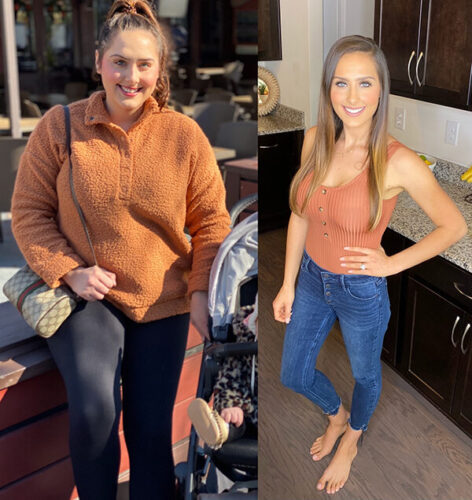
Taylor has lost 70 pounds since discovering The Starch Solution
I wanted to reach out to let you know how The Starch Solution has changed my life, as well as my mother’s. I am so grateful for your knowledge about a starch-based diet. I am 24-years-old and have lost a total of 70 pounds since February 2020 after becoming plant-based! In April of 2020, I was researching nutrition and diets because I knew there had to be something more I could be doing for my body and health, and that’s when I came across The Starch Solution. I started The Starch Solution a
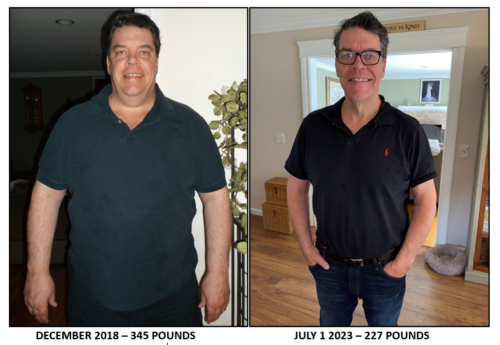
Fred F. Lost Over 100 Pounds on The McDougall Program
On March 1, 2021, I stepped on the scale and found my weight at 350 pounds. I was mortified. I made a firm decision to do whatever it took to get back to my ideal weight of 205 pounds. I created a success plan for myself that I titled “Think and Grow Thin” and I said a prayer for Divine guidance. At the time, I didn’t have a specific diet in mind but I knew I would have to change the way I ate. A week later, I was at Barnes & Noble in search of a new book when suddenly, for reason
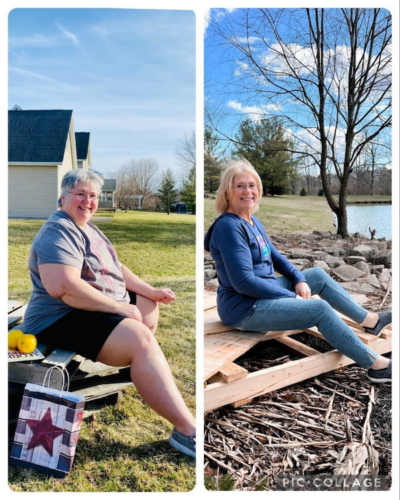
Tamara M. Lost Over 142 Pounds, Reversed Type 2 Diabetes
Before and after a year! What made me change the way I ate? Simple…the way I felt! I hadn’t felt good for a long time. I was overweight, tired and achy, uncomfortable, and I hurt a lot. I was unhappy with the way I felt! I was tired of feeling that way and wanted to be able to move easily and freely, get healthy, be active, and get my weight to a healthy BMI. I was addicted to unhealthy food. I decided that I was worth it to get myself healthy and in a place where I was comfortable wit

Sarah R. Found Relief from GI Distress
My Name is Sarah and I wanted to share my story of overcoming chronic GI distress as a result of Dr. McDougall’s work and of course Mary’s recipes. Thank you from the bottom of my heart. I was 16 the first time I drove myself to the pediatrician because I hadn’t had a bowel movement in over two weeks. The man who stood in front of me began questioning me about my mental health status. “Have you had any recent trauma?”, “What’s going on in your life?”, “Have you been feeling
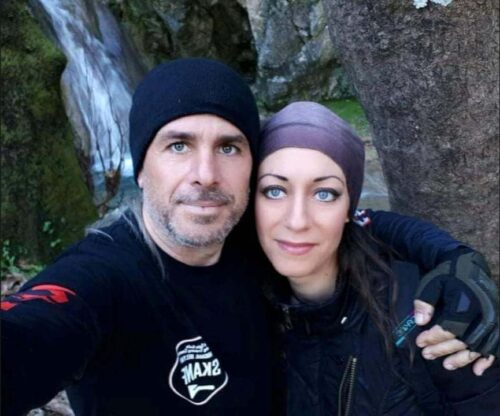
Katerina Overcame Multiple Sclerosis and Yannis is in the Best Shape of His Life
I am Katerina from Greece. I was diagnosed with Multiple Sclerosis in 2012, at 31 years of age, after an episode of double-vision. I remained in the hospital for some time and was given large amounts of cortisone, which absolutely destroyed me. After that, I began daily injections for about 6 months. During that time I met my husband who was starting to eat vegan, and he began to search for how could we cure my MS and helped me stop poisoning my body with drugs. I began a vegan diet as well, and
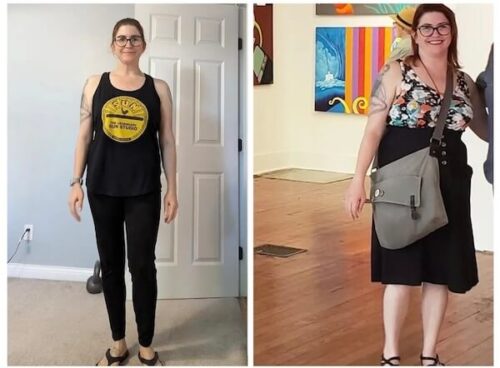
Emily B. Successfully Overcame Rheumatoid Arthritis Following the Starch Solution
I wanted to share my success story thanks to Dr. McDougall! I've had Rheumatoid Arthritis for almost 8 years and a few weeks ago I was told by my doctor that I could stop my medication! I started on The Starch Solution when I got diagnosed but slipped back into eating vegan junk food because I didn't address my mental health. In May of 2022, I started talk therapy and devoted myself again to a whole food plant-based, oil and gluten-free diet. I stopped drinking alcohol in February, lost 40
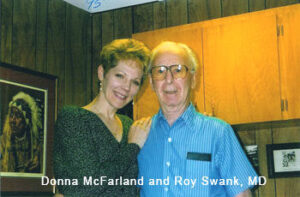
Donna McFarland: Diagnosed with MS; Food Became My Medicine
To Dr. McDougall, a heartfelt “Thank you!” for your dedicated efforts to continue the work of Dr. Roy Swank. The legend lives on because of you. I’ve since adopted Dr. McDougall’s low-fat, plant-based diet as another layer to my health restoration and preservation. To quote Hippocrates, the Father of Medicine, “Let your food be your medicine and your medicine be your food.”
Deb Tasic: Stops Multiple Sclerosis
I believe a healthy diet is the answer and from what I have seen, the scientific research backs that up. Too bad everyone doesn't know this simple truth.
Karen Cooper, MSW, LICSW: "I Can't Have MS!"
For me, this isn't all about appearance. It isn't about trying a new diet fad. It's about eating healthy and living a long life. It's about keeping both my son and I strong and healthy. It's about creating a future that will not include medications and hospitals.
Rebecca Lewis: MS No Longer Controls Her Life
Rebecca Lewis: Multiple Sclerosis No Longer Controls Her Life (Video)
Kim Hoffman: Beating MS!
By learning the right way to eat, I have my life back. I am no longer waiting for the next attack. While I still think of it daily, MS no longer consumes my life. The last question I asked Dr. McDougall was what I should do next (to help with the MS). He told me to go live my life…I took his advice to heart immediately.
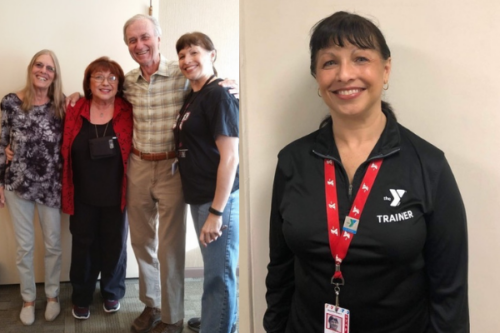
Jeanmarie: From Multiple Sclerosis to Complete Remission
My journey began just a few months after I turned 24. I started feeling numbness in both my hands. Within a few days, I became totally numb in not just both hands, but along the side of my body. I also experienced severe levels of fatigue and “spasticity.” I went to a Neurologist who told me, after getting some tests (including an MRI), I had Multiple Sclerosis. The doctor then proceeded to tell me that I should expect I would have to use a cane in a few years. This would be followed by me e
Mammography is Unjustified - A Letter Few Newspapers Will Print
Mammography is Unjustified--A Letter Few Newspapers Will PrintThe following is an editorial I sent to over a dozen major US newspapers and so far I know of only one to print it (the Honolulu Advertiser). You may want to submit this letter to your newspaper. At the end of this article you will find the links to the original papers cited so you can read and come to your own conclusions.Mammography is UnjustifiedThe Cochrane review1 on screening mammography and an accompanying editorial2 published
No Breast Self-Examination, Says the Canadian Task Force
NO BREAST SELF-EXAMINATION -- SAYS THE CANADIAN TASK FORCEPreventive health care, 2001 update. Should women be routinely taught breast self-examination to screen for breast cancer? by Nancy Baxter in the June 26, 2001 issue of the Canadian Medical Association Journal found there is fair evidence of no benefit, and good evidence of harm from BSE (breast self-examination) instruction. (See below to read entire study.) To date, 2 large randomized controlled trials, a quasi-randomized trial, a large
Jessica Bowen: My Winning Battle with Breast Cancer
Jessica Bowen, in her own words. I've always considered myself pretty healthy. My weight was an issue at times, and I tried a variety of diets throughout the years, but every doctor's visit and all the tests told me I was in excellent health. My husband and I wanted to start a family, so to be as healthy as possible I stuck to what I thought was best: a high-protein, low-carb diet. After two miscarriages I decided to heck with eating healthy—while eating "healthy" I'd lost two babies. I plung
Ruth Heidrich: Defeats Cancer and Osteoporosis, Breast Cancer
Ruth Heidrich Defeats Cancer and Osteoporosis For all my 47 years, I thought I was extremely healthy! After all, at that time (1982), I'd been a daily runner for 14 years, had run 3 marathons, and ate what I considered a very healthy diet -- lots of chicken, fish, and low-fat dairy. I'd been heavily involved in my career as a military logistician. In fact, as a management-level female in a male-dominated world, I was being groomed for a top-level position in the Pentagon. Little did I know t
Anneliese Moore: Breast Cancer Treated with Diet
In Charge of Her Medical Fate I will be 89 years old next August; I was born in Berlin, Germany at the beginning of First World War. My father died when I was 2 years old during the war and my mother had to raise me alone. Living in Germany, not being rich and without the "right" contacts, I was brought up on the strictest McDougall diet possible - if I was fortunate, my daily food was maybe potatoes, rye bread, and some veggies. We had occasionally meat on a Sunday. This went on throughout all
Raynal: Discovered the Power of Plants Before Age 21
When I was 19, I considered myself "healthy" and believed I did not need to change my diet. Even my doctor said other than being overweight, I was generally healthy. We were both wrong. These pictures are 1 year and 5 months apart. The first five months I counted calories and hit the gym everyday, upset that I was not seeing results. I worried everyday about gaining what little weight I had lost. All this changed by adopting a whole food, plant based diet. I simply began to give my body

Karla: My Asthma Journey
I have suffered from asthma since the 5th grade. Now, at 50 years of age, I reflect on everything I endured with asthma...
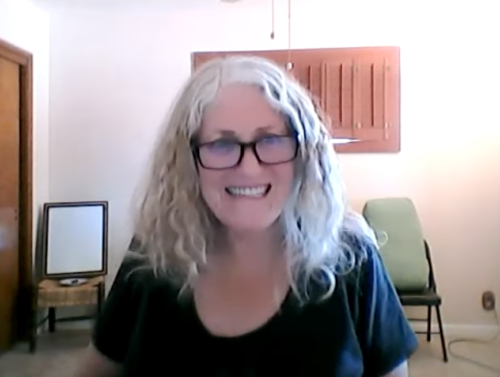
Ellen Finally Found a Lifestyle That Works
Ellen has tried every diet on the planet and finally found what works.
Dan Curtin: Depression, Hypertension, GERD, Obesity
"I decided I had to rebuild my health." My name is Dan Curtin, I'm 59 and a half years old. I'm from Wisconsin, "America's Dairy Land". I'm a poet, songwriter, and folk-singer. Every poet, however, needs a day job, so for more than 30 years I had worked as a Labor Market Analyst for the State of Wisconsin. I retired a year ago, because I was physically and mentally burned-out. When I retired I weighed 226 pounds at five feet eight inches in height! My blood pressure with medication was running a
June Ziegler: Depression, Heart Disease, Overweight
A Psychological War for Enduring Health I was dying and I couldn't save myself no matter how hard I tried. My wanting to eat healthy was always there – forefront in my mind -- but my "old foods – the ones mommy used to cook for me," kept calling out to me. "Eat me and you will feel better." "You deserve more comfort." When I was depressed, things got especially bad. I found fleeting relief in my old familiar foods – until I realized what I had just done to myself. I knew intellectually, my
Derrick: Discovered the McDougall Program and Lost 160 Pounds
I don't know where to start! I guess I should probably start with thanking Dr. McDougall for giving me a brand new outlook on life! I started following the McDougall program in May of 2020, I turned 36 this May (2021). For the last 15 years, I have struggled with my weight. I was always a bigger kid growing up but as I got older my weight got more and more out of control. No amount of exercise would help! I combined nearly every diet imaginable with rigorous exercise routines and still, the stru
Ann Wheat: Constipation & Abdominal Pains
Ann Wheat suffered from severe constipation and abdominal pains from childhood until she gave up all dairy products (cow's milk). She changed to the McDougall Program and is now enjoying excellent health at age 72.
Raynal: Discovered the Power of Plants Before Age 21
When I was 19, I considered myself "healthy" and believed I did not need to change my diet. Even my doctor said other than being overweight, I was generally healthy. We were both wrong. These pictures are 1 year and 5 months apart. The first five months I counted calories and hit the gym everyday, upset that I was not seeing results. I worried everyday about gaining what little weight I had lost. All this changed by adopting a whole food, plant based diet. I simply began to give my body
Peggy Fought Ovarian Cancer by Changing to a Starch Based Diet
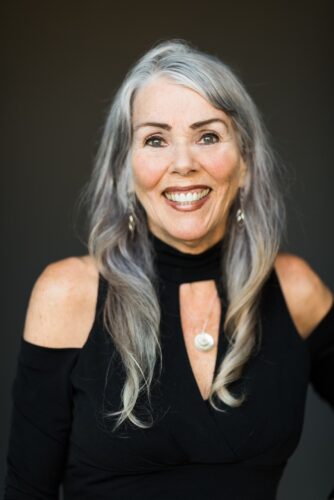
Linda: Reversed Heart Disease, Pre-Diabetes and Lost 50 Pounds
I’m certain I would have died 34 years ago had I not found Dr. McDougall. I had thyroid cancer, severe heart disease, pre-diabetes and was 50 pounds overweight. My new neighbor recommended Dr. John McDougall. I looked him up and bought his book The McDougall Program 12 Days to Dynamic Health. After reading about the many people he saved from near-death or from being very sick, I was hooked. I changed to a starch-based plant diet. I ate Mary’s delicious recipes and lots of potatoes. I was not
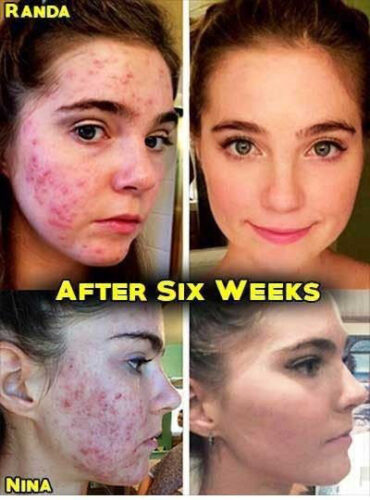
Nina & Randa Nelson: Cure Embarrassing Acne & Oily Skin
We are identical twins. By profession, we both are performers and actors, and it's impossible for us to be hired with our faces covered with pimples. Developing severe acne in the spring of 2014, at age 20, was devastating. We didn't want to go out of the house or see our friends. We started thinking that we would not be able to continue our dreams of being singer-songwriters and actors. Our appearance was just too awful. Our father, Jeff Nelson, and our mother, Sabrina Nelson, founded the we
Kayla: Starch Made Her Diet Sustainable
“I’m aging in reverse!” I just wanted to take the time to say thank you for relentlessly preaching the truth about nutrition. You have helped so many people regain their health, including me! I went vegan 3 years ago. Before this, I was 23 going on 45. I had no idea how to eat healthy, but I wanted to be leaner and healthier. I was constantly starving during the week on low calorie, high protein foods only to binge eat at restaurants on the weekends. I suffered from horrible stomach ul

Peggy Found an Elegant Solution to Better Health and Lost 40 Pounds
Peggy found the clarity she needed with the McDougall Program—a simple, sustainable way to support health and lasting weight loss. After struggling with her weight and trying Atkins, which left her feeling unwell, she discovered that vegetarian eating made her feel better. The 12-Day McDougall Program brought all the pieces together for her. Peggy has lost 40 pounds, using batch cooking and a well stocked pantry to keep healthy choices easy. Learn more about the 12-Day McDougall Program.
Antioxidant Vitamins (in Foods) Prevent Alzheimer’s Disease
Two studies in the June 26, 2002 issue of Journal of the American Medical Association found less chance of Alzheimer’s disease with more antioxidant intake. Antioxidants are substances that remove damaging compounds, known as free radicals, from our bodies. Damage caused by free radicals may disrupt normal cell function and lead to the death of nerve cells. (Free radicals are very active substances that can damage our tissues.) Lesions are present in the brains of Alzheimer’s disease patient
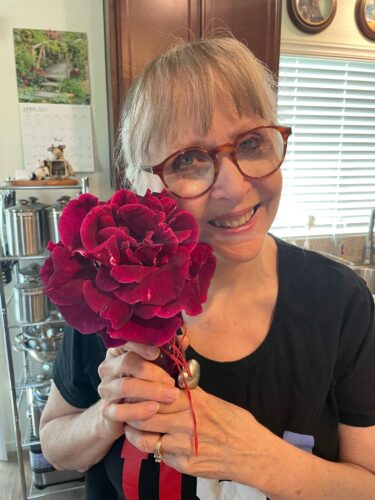
Sally B. Went Starch-Based and Healed Painful Arthritis
I found Dr. McDougall and Mary from your lectures on YouTube and went plant-based using your wisdom 10 years ago. I was in a wheelchair with arthritis when I found your starch-based eating lifestyle. I gave up dairy totally, began going vegan and within 3 weeks, I was able to walk. My hands are now useful again. I had arthritis in my fingers so much so, typing was difficult and signing my name looked like I fell off the turnip truck on my hands. But they were never broken.
Peggy Found an Elegant Solution to Better Health and Lost 40 Pounds
Peggy found the clarity she needed with the McDougall Program—a simple, sustainable way to support health and lasting weight loss. After struggling with her weight and trying Atkins, which left her feeling unwell, she discovered that vegetarian eating made her feel better. The 12-Day McDougall Program brought all the pieces together for her. Peggy has lost 40 pounds, using batch cooking and a well stocked pantry to keep healthy choices easy. Learn more about the 12-Day McDougall Program.
Ruth Heidrich: Defeats Cancer and Osteoporosis, Breast Cancer
Ruth Heidrich Defeats Cancer and Osteoporosis For all my 47 years, I thought I was extremely healthy! After all, at that time (1982), I'd been a daily runner for 14 years, had run 3 marathons, and ate what I considered a very healthy diet -- lots of chicken, fish, and low-fat dairy. I'd been heavily involved in my career as a military logistician. In fact, as a management-level female in a male-dominated world, I was being groomed for a top-level position in the Pentagon. Little did I know t