




Are There Any Spices to Avoid with Diabetes?
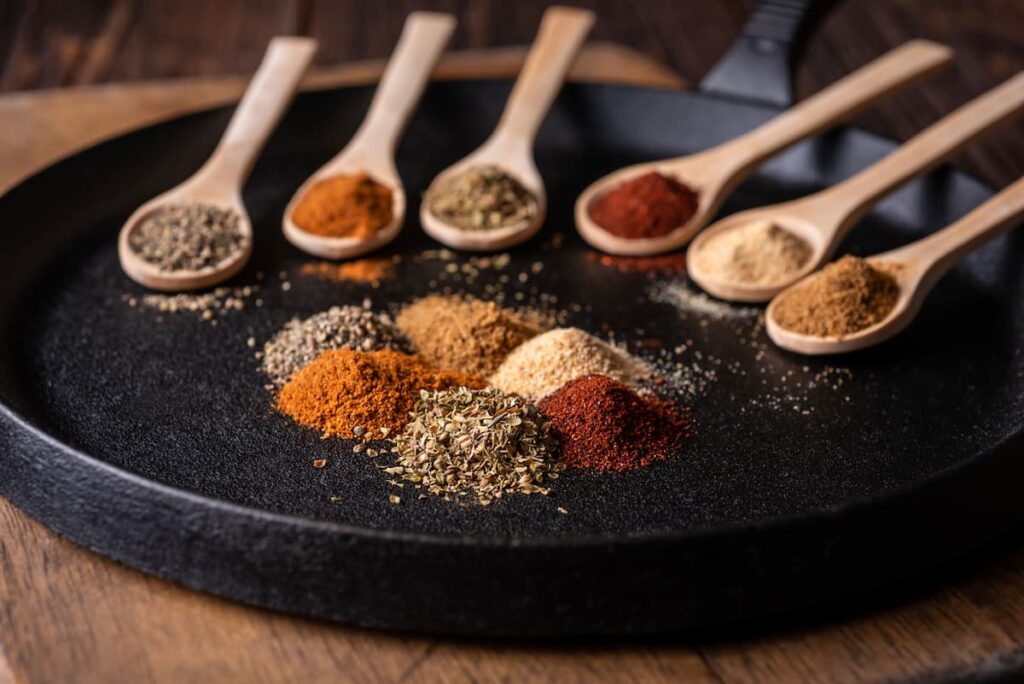
Are There Spices People with Diabetes Should Avoid?
People are often surprised to learn that herbs and spices are not the problem when it comes to diabetes. Spices do not cause insulin resistance or blood sugar instability. The real issue is the rich Western diet built around animal foods, added oils and processed foods.
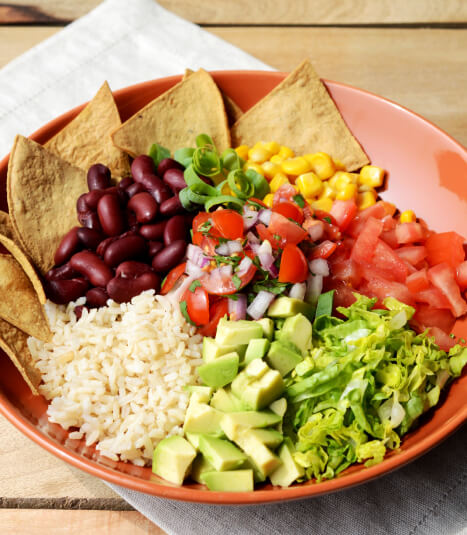
Herbs and spices simply make healthy food taste better. They help people enjoy meals centered around potatoes, rice, beans, corn, vegetables and other starches that have sustained healthy populations throughout history.
Do Spices Raise Blood Sugar?
Not in any meaningful way.
What matters most is the overall meal. A plate of potatoes and vegetables seasoned with garlic, paprika or chili powder is very different from a high-fat meal covered in the same spices. The spices are not the problem. The excess fat in the diet is what contributes to insulin resistance.
What Should People Be Careful About?
The biggest concern is not the spices themselves, but what gets added to packaged sauces, marinades and seasoning blends.
Many products contain:
- added oils
- sugar
- syrups
- dairy products
- processed ingredients
Reading labels and keeping meals simple goes a long way.
What About Specific Spices?
Garlic
Garlic is a wonderful way to add flavor to meals without adding fat or calories.
Cinnamon
Cinnamon is perfectly fine to use on oatmeal, fruit or other starch-based meals.
Ginger
Ginger adds great flavor and works well in many simple plant-based dishes.
Turmeric
Turmeric can absolutely be part of a healthy starch-centered diet.
Salt and Pepper
Pepper is fine to use freely. Salt is best used lightly, especially for people with high blood pressure or edema.
The Bottom Line
People with diabetes do not need bland food.
At the McDougall Program, we encourage simple meals built around starches, vegetables and fruit. Herbs and spices help make these meals satisfying, enjoyable and sustainable long term.
The goal is not to fear seasonings. The goal is to eat the right foods consistently.
Recommended Articles
What is the Best Formulation of Vitamin B12?
The Myth of Moderation: Do All Foods Really Fit?
Join the Conversation!
Have a question, a helpful tip, or a story from your journey? Add it below - your voice matters.