



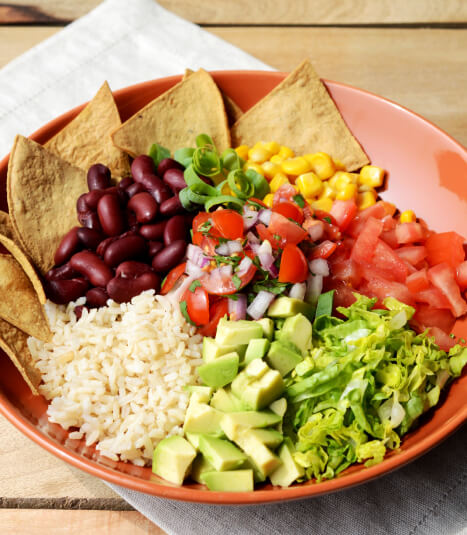

6 Plant-Based Diet Myths That Are Completely Untrue
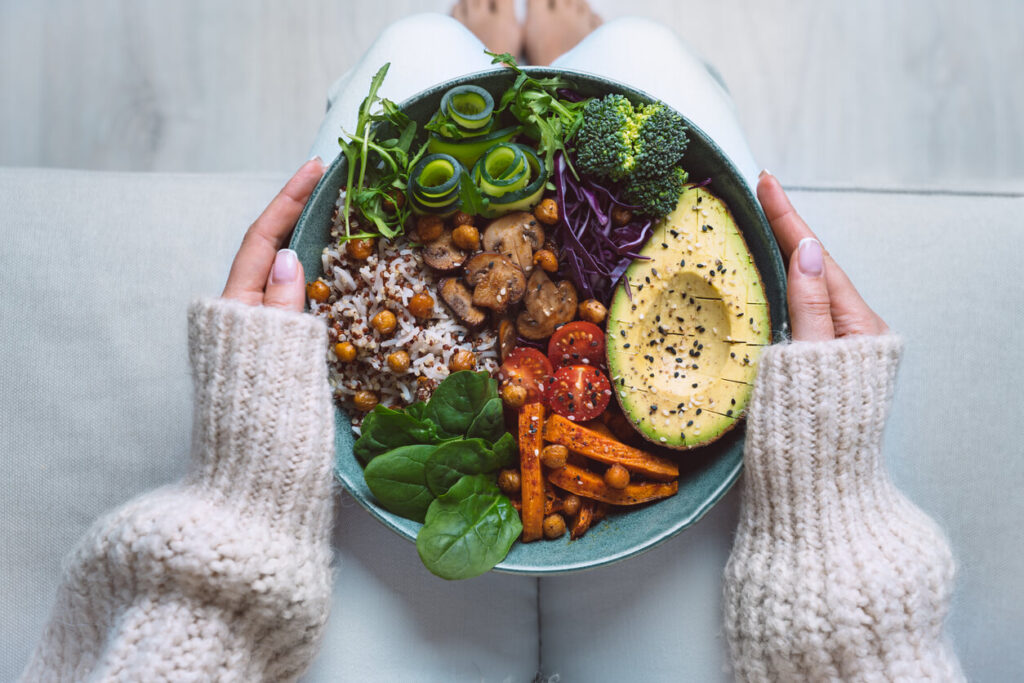
There’s a lot of confusion about what it really means to eat a plant-based diet. People hear mixed messages and often walk away thinking it’s complicated, restrictive, or hard to sustain.
The reality is much simpler. A starch-based, whole food diet has been helping people lose weight, regain their health and feel better for decades. In this series, we’re breaking down six of the most common myths so you can see what actually works and why.
Myth 1: Plant-Based Diets Lack Protein
This is one of the most common nutrition myths out there. The idea that you won’t get enough protein on a plant-based diet simply isn’t true. In fact, most people are already getting more protein than they need.
When you base your meals on starches like potatoes, rice, legumes and whole grains, you naturally get adequate protein without having to think about it. These foods provide all the protein your body needs, along with fiber, vitamins and minerals. There’s no need to chase protein, count grams, or rely on meat, eggs or powders.
At the McDougall Program, we don’t focus on protein because it takes care of itself when you’re eating enough whole plant foods. It’s that simple.
Myth 2: Plant-Based Diets Are Bland and Unappealing
This couldn’t be further from the truth. When you center your meals around satisfying starches like potatoes, rice, pasta and beans, you’re already starting with foods people enjoy and crave.
Flavor doesn’t come from oil or heavy ingredients. It comes from the food itself, along with simple additions like herbs, spices, sauces, and yes, even a little salt when needed. Think hearty pasta dishes, loaded baked potatoes, soups, stews and grain bowls. These are familiar, comforting meals that are naturally delicious.
The best part is that it doesn’t have to be complicated. Many meals can be made quickly with just a few ingredients, making this way of eating practical for everyday life.
This isn’t about restriction. It’s about rediscovering how good simple food can taste.
Myth 3: Plant-Based Diets Are Nutritionally Insufficient
You may have heard that a plant-based diet is lacking in nutrients. That’s simply not true. When you center your meals around whole, starch-based foods like potatoes, rice, beans and corn, you give your body exactly what it needs to thrive.
These foods are naturally rich in carbohydrates for energy, along with fiber, vitamins, minerals and adequate protein. For example, beans provide protein, iron, calcium and fiber all in one simple, satisfying food. This isn’t about carefully combining foods or chasing nutrients. It’s about eating enough of the right foods and letting the body do the rest.
At the McDougall Program, we focus on getting nutrients from food, not pills. The only supplement we recommend is vitamin B12. Everything else comes from eating a variety of whole plant foods.
When you eat this way, you’re not just meeting your nutritional needs. You’re supporting a healthy weight, improving blood pressure and reducing your risk of chronic disease. It’s simple, sustainable and it works.
Myth 4: Plant-Based Diets Are Too Expensive
This is a common misconception. In reality, some of the least expensive foods in the grocery store are the foundation of a starch-based diet. Potatoes, rice, beans, oats and pasta are affordable, filling and widely available.
Where costs can go up is when people rely on packaged vegan products, specialty items, or pre-made meals. That’s not what we recommend. When you keep it simple and build your meals around whole plant foods, this way of eating is not only sustainable, it’s one of the most economical ways to feed yourself and your family.
With a little planning and basic cooking, you can eat satisfying, nourishing meals without overspending. And over time, many people find they save even more as their health improves.
Myth 5: Plant-Based Diets Are Inconvenient
This is a common concern, especially when it comes to digestion and eating out.
When you switch to a diet higher in fiber, it’s normal for your body to take a little time to adjust. Some people notice temporary bloating or gas in the beginning. This is simply your digestive system adapting to healthier, fiber-rich foods. It typically passes quickly, and most people go on to feel better than they did before.
As for dining out, it’s more doable than ever. Most restaurants offer options that can be easily adapted, from simple pasta dishes to baked potatoes, rice bowls, beans, and vegetable-based meals. Looking at the menu ahead of time can make it even easier.
Like anything new, it takes a little adjustment at first. But once you get the hang of it, this way of eating becomes simple, practical, and easy to maintain.
Myth 6: Plant-Based Diets Are Not Environmentally Impactful
Some people believe that what we eat doesn’t make much difference for the environment. In reality, food choices matter more than most people realize.
Animal agriculture requires large amounts of land, water and resources, and contributes significantly to environmental damage. In contrast, growing plant foods is far more efficient and requires fewer resources overall.
When you center your diet around simple foods like potatoes, rice, beans and grains, you’re not only supporting your own health, you’re also reducing your impact on the planet.
You don’t have to be perfect. But choosing more plant-based, starch-centered meals is one of the simplest ways to make a meaningful difference over time.
Ignore the Myths. Keep It Simple.
There will always be confusion and mixed messages when it comes to nutrition. The key is not to get caught up in the noise.
A simple, starch-based way of eating has been helping people lose weight, improve their health and feel better for decades. You don’t need to overthink it. Focus on whole plant foods, keep your meals simple and give your body time to respond.
If you’re looking to go deeper, the Starch Solution Community provides ongoing support, education and connection to help you continue building on what you’ve learned.
At the end of the day, it’s not about chasing perfection or debating every myth. It’s about finding what works and sticking with it.
Recommended Articles

Can Oatmeal Reverse Heart Disease? 4 Benefits of This Amazing Whole Grain
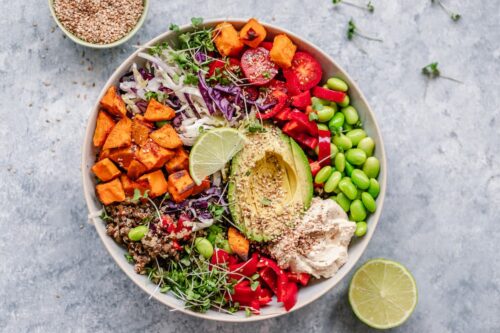
Plant-Based on a Budget: How to Make Cheap Yet Tasty and Healthy Meals
Join the Conversation!
Have a question, a helpful tip, or a story from your journey? Add it below - your voice matters.