




Peter Rogers, MD: Heals Self
Interventional Radiologist/Neuroradiologist
I am a medical doctor. I came straight down the pike of conventional medicine, graduating first in my medical school class, followed by surgical internship, radiology residency at Northwestern and then fellowship at Harvard in 1996. My goal was to become an interventional radiologist because the idea of being an “imaging guided surgeon” seemed exciting and the likely site of big advances in medicine.
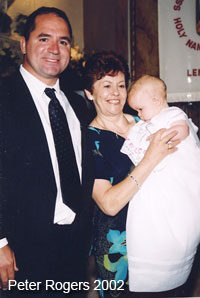 I had been healthy up until my mid 30’s. Then I got married and had four kids, and my responsibilities at work increased. I also did a second fellowship in which I tried to combine two training years into one and was working very long hours. My health deteriorated. I felt bloated, tired and muddled, and needed seven cups of coffee to get through the day. I was fat, fearful and tired. I was fearful of being fat for the rest of my life, and fearful of dying from a heart attack at a young age and leaving my children without a father.
I relied on caffeine to keep me alert during the day. I had frequent episodes of rebound hypoglycemia, which I did not understand at first. I would think to myself, “What is wrong with me? I am too young to be having problems like this.” My weight had ballooned up from 155 to 210 pounds, and the caffeine led to erratic sleep patterns. A person begins to wonder if they are feeling tired due to rebound hypoglycemia or a lack of sleep. It’s a negative feedback cycle that perpetuates itself.
My wife, who is a family practice physician, told me that I looked like I was headed towards a heart attack at a young age. No matter how hard I tried, though, I could not win this game. For three years, I asked myself the same question: “Why can’t I lose weight?” I would reduce my food intake and exercise three times a week and would lose about 5 or 10 pounds. Then work or life would go through a stressful phase, and soon I would gain all the weight back (and possibly an additional 5 or 10 pounds).
My brother and his wife, who are both in great shape and quite knowledgeable about nutrition, tried to give me nutrition advice, but I didn’t listen. I was arrogant. I thought that because I was a doctor I knew more about nutrition than they did. I thought vegetarians were misguided and unhealthy. Then they said to me, “Well, if you know so much about nutrition, Mr. Doctor, then why are you so fat?” Now, I knew that they were right. I knew that I had to learn a lot more about nutrition. My life and the future of my family depended on it.
I decided to set aside all my other priorities and focus on this problem. I read all the diet books I could find. I plowed through article after article on nutrition research. I read nutrition textbooks. I experimented with different diets and eating strategies. I had made some progress, but was still overweight, and having all-too-frequent relapses of pizza pig-outs and burger binges. But what cured me, and turned the physiology clock back a decade, was switching to a plant-based diet. Reading Dr. McDougall’s books and watching his DVDs was a turning point, and it became easier to fend off the urgings by friends and family that I needed to eat more meat, etc.
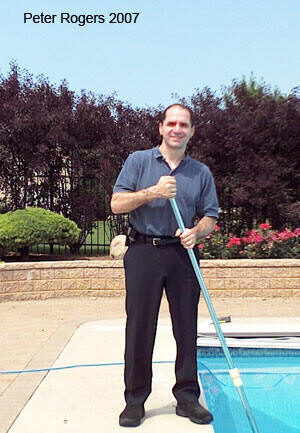 My weight came down to the ideal range over the next six months and, more importantly, I now feel good all day. I lost 57 pounds and have kept it off for over three years. My blood pressure is 100/60 mmHg, total cholesterol is 111 mg/dl and LDL cholesterol is 60 mg/dl—and I do not take any medicines. Although statin medications are effective for reducing cholesterol levels, some people have significant side effects. I prefer to control my cholesterol level by following a healthy diet rather than taking medications.
One big surprise—now that I have escaped from the world of obesity and poor health, and am ready and willing to help others—is that so few people want to learn how to do the same for themselves. Most people, including doctors, feign interest briefly and then go back to their old ways. Many seem to think that dietary guidance is a big joke or that it is almost impossible to change a person’s eating habits.
I have had a few friends and patients that have lost a lot a weight, kept it off and decreased their meds. However, there is tremendous peer pressure to eat the Western diet for people living in the U.S. By understanding the general idea of how the hunger system works and knowing that a plant-based diet has adequate amounts of protein and calcium, as well as the problems with eating meat, etc., it becomes a lot easier to not succumb to relapses at pizza parties and burger barbeques.
In terms of medical advances and perspectives on nutrition, I have come full circle. While I enjoy high tech interventional and imaging, and they are essential for diagnosis and treatment, I now know that the key to obtaining good health is prevention through diet. There is a lot of truth to the Humpty Dumpty rhyme, whereby all the king’s horses and all the king’s men could not put him back together again.
The greatest life-saving medical discovery of the last 50 years is the verification that a plant based diet optimizes health and diminishes the risk of heart attack and stroke. This also lowers the risk of diabetes, multi-infarct dementia, impotence and some cancers. In other words, there is a way to be as healthy as possible. It took me 25 years to learn this the hard way.
You are in control, and there is good reason to be hopeful. Doctors want to help their patients; that is why they go into medicine. The problem is that they are often under tight control from hospital administrators to see as many patients as possible each day. They are seldom allowed the time to go into detail about the benefits of nutrition. Compounding the problem is that many patients are not interested in changing their eating habits, and many doctors do not know very much about nutrition.
Now, in my mid 40’s, I am grateful that I’ve got my health back. I am energetic, fit and feel mentally sharp all day. Now instead of feeling sick all the time, I have more energy for work and for family. The future seems brighter. I hope this essay helps other people to learn about nutrition so that they can improve their health.
Dr. McDougall’s Comments
Doctors, as revealed by their personal appearances, many times do not exemplify good health. Obese cardiologists are common. You are surprised? You would think that with all the information doctors have at hand, and as smart as most are, they would be making better choices than the general public—my observations say that’s not the case. They suffer with the same bad health as everyone else, and are just as overweight. Some, like Dr. Rogers, have come to the conclusion they must learn and change, or they die.
Doctors know next to nothing about the proper feeding of the human being and there are few learning opportunities. Most are wealthy enough to eat all the lobsters, porterhouse steaks, and cheese soufflés money can buy. A plate of roast beef, with a side of butter-topped mashed potatoes, and vegetables dripping with Hollandaise sauce; all finished off by cheesecake, is a typical dinner served at medical meetings. The ongoing medical education for almost all doctors is provided by a provocatively dressed drug sales rep, arriving daily with pizza and donuts for the office staff.
Your doctors’ diets of rich foods have consequences that affect your health. Their personal diets make teaching you the importance of good nutrition and practicing diet-therapy next to impossible. Medications and surgeries are the methods they know. Unfortunately, these therapies, when used to treat diseases caused by diet, are largely ineffective. They do not cure obesity, diabetes, hypertension, arthritis, indigestion, constipation, pain, etc., and oft times the patients are left worse off with serious side effects and financial burdens. Your doctor feels like a failure and rightly so.
I tell everyone I meet that I am the luckiest doctor in the world, because my patients get their health back, by correcting the cause. I use low-tech medicine. I tell people to eat good food. But, anyone can do this. You don’t have to go through four years of medical school to say, “don’t eat meat, it’ll clog your arteries.” Traditional medical education not only ignores the subject of human nutrition; the teachings actually sabotage diet-therapy. Students learn “colon cancer prevention,” means colonoscopy and the importance of the contents of the colon is ignored. They are captivated by the high-tech angioplasty surgeries and never learn about the fundamental role of plant-foods in coronary artery disease. Young doctors are taught, “Patients will not follow dietary advice, don’t waste your time.”
Dr. Rogers has made a personal discovery that has caused him to look at the practice of medicine from an effective viewpoint. He now tells people, “For those who want to learn and improve their health, there is a way. The true secret is that one should change what one eats, from a high-fat Western diet to a plant-based diet full of whole grains, vegetables and fruits.” Someday soon, more doctors will come to these simple conclusions and the patients will benefit. In the meantime, you—medical doctor or not—will have to share this message with the ones you love.
Recommended Articles
Syd Wyemann: My Hands Were Crippled With Arthritis
Esther: Her New Life
Join the Conversation!
Have a question, a helpful tip, or a story from your journey? Add it below - your voice matters.