



Jon Hess: Reversing Heart Disease
No Longer Dying of Heart Disease
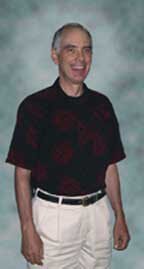 I live in Utah and my name is Jon Hess; I will be 59 years old this year. Five years ago I ran up four flights of stairs with my children at the Treasure Island Casino in Las Vegas. I tried to keep up with them; but, when I reached the top, I experienced an acute angina attack and extreme shortness of breath. I had to sit down for fifteen or twenty minutes to recover fully. The only warning signs I had noticed before this episode was shortness of breath when unloading hay and building a haystack. The young man I was working with kept insisting that he could do the work—hinting with concern in his voice that I should step aside and rest. This only made me more determined to keep up–while I did one bale, he did two.
I grew up in a family where meat was a staple and a necessity. Both of my parents were poor during the Great Depression and having meat on the table, and milk, cheese, cream, and ice cream in the refrigerator, was considered essential. My parents migrated from the farm to the city and with the encouragement of the government, county extension agents, schools, and church leaders, they continued to provide for us the USDA recommended balanced diet.
In my youth I was one of the skinniest kids around. My elbows and knees were larger than my arms and legs. I could eat anything and never gain an ounce of weight. Even as a teenager, I was very slim; so, I took up long distance running to gain some measure of glory. But alas, the cheerleaders still liked the running backs and sprinters more than the thin and sweaty cross country runners. However, I became a very good runner and was able to run two miles in ten minutes. Even at the age of twenty two and in the U.S. Army, I was able to comfortably run a mile in six minutes in combat boots! The point of all this is that I felt pretty healthy when I got married at age twenty-three. I was 5′ 8″ tall, had a 28″ waist, and weighed 125 lbs. fully dressed. In those days, I always weighed with my clothes on because I was so terribly self conscious about my slightness of build. I was also embarrassed by my low blood pressure because I sometimes fainted when I got out of bed too quickly in the morning.
Now, fast forward through the next thirty years.
I went into the very sedentary computer field working fifty to sixty hours a week sitting in a comfortable chair in front of a terminal. I ate the diet of my parents and quit exercising. After twenty-five years of marriage, I finally got to 135 lbs. In a cholesterol screening test sponsored by our company, I was told that I was in the lowest 5% of the nation for risk; and so, I continued to believe that I was totally healthy. And then, ten years ago, I slowly started to gain weight, as did the rest of my family. My older brother got heavy and developed type II diabetes. My father’s mother died of a heart attack. My father had a heart attack and underwent angioplasty; he developed a heart arrhythmia and eventually had a pacemaker placed in his chest. My dad’s youngest brother had a massive heart attack and while in the coronary care unit with a heart surgeon present, he suffered another heart attack and died at 55 years of age. My closest cousin had bypass surgery following his heart attack. All of these relatives were overweight and we all ate the same diet! I wasn’t concerned for myself, however, because I was the thinnest member of my family and I used to run long distances. Then, one day, my wife and I were standing in front of the mirror (au natural) and she said, “We’re just going to have to face it, we’re fat!” My children teased me, “Dad, you look pregnant!” My waist was 38 inches, my blood pressure was very high, and I weighed 189 lbs.
So, what to do? I didn’t need to go to a cardiologist to know that I fit neatly into my family pattern of obesity and coronary heart disease. I knew that if I sought medical help, I would enter the surgery pipeline of stress tests, angiograms, angioplasties, stents, and bypasses. I had observed first hand chest pains, angina, nitroglycerin, and visits to hospital emergency rooms. So, I called my cousin of the bypasses and asked him, “What can I do to avoid surgery?” He gave me Dr. Klaper’s audio tape “Nutrition for Optimum Health” and Dr. Ornish’s book on reversing heart disease. My cousin told me, “If you can do this, you can reverse your heart disease”. On the way home, I got pretty excited listening to Dr. Klaper’s presentation. I dived into Dr. Ornish’s book. It was a tough transition because of my ignorance of nutrition and how to prepare foods in this new lifestyle. This was an enormous shift of paradigms and I was getting hungry. I knew not one vegetarian and I lived in cattle, sheep, and turkey raising country. I prowled the grocery isles, and struggled with labels. I visited the produce section of the grocery store, looked at all the raw vegetables and got discouraged.
I finally started researching on the internet and found vegsource.com and Dr. McDougall’s books–especially, “The McDougall Program for a Healthy Heart” and “The New McDougall Cookbook”. These books really helped me understand my own condition and helped me believe that I could make the transition from carnivore to herbivore and actually enjoy it. Belief is extremely important in changing behaviors, and accurate knowledge can fuel belief and change. I also found the Physicians Committee for Responsible Medicine (pcrm.org) and dove into their nutrition curriculum. I learned to make brown rice and discovered rice cookers. I learned to make vegetarian chili and steam vegetables. I gave up all meat, dairy, oils, nuts, sunflower seeds, olives, avocados, refined sugar, and cola drinks. I started eating whole grains, legumes, vegetables and fruits. And as Dr. Klaper promised, good things started to happen. As I gained a detailed understanding of Atherosclerosis from Dr. McDougall’s books, my resolve was strengthened to be very strict and strive for maximum healing and rehabilitation of my veins and arteries. My weight and blood pressure started a steady decline. I had no more angina attacks. My first walk lasted only one mile and I was spent—and this from a person who considered himself a distance runner. My mind surely thought well of myself and my health; but, my body was not going along with the illusion.
I kept at it though and started walking twice a day until I was walking three hours a day at my fastest pace. Later in my recovery, I passed my old high school track and decided to see how fast I could run once around the track. I was disappointed that I took two minutes and twenty seconds (in high school I could do it in one minute); but, I was heartened that I made it the whole 440 yards. I can now run and walk up long hills for hours. My blood pressure is a healthy 125 over 75. I have normal cholesterol. I have a 33″ waist and I weigh 145 lbs. (I’m still gradually losing weight).
My focus was on reversing coronary heart disease; and happily, lifelong conditions of colitis and migraines simply disappeared. Just two months ago, while reading Star McDougaller Jean Brown’s story, “Curing an Incurable Disease, Rheumatoid Arthritis”, I decided to give up all wheat to see if I could get relief from the pain I suffered in both of my hips and finger joints; and it worked.
My transition to health was fraught with opposition and concern. In fact, one of the sheep, cattle and turkey ranchers of the valley is also my family doctor; and when I went in for blood tests on my fifth year anniversary, my doctor chewed me out for being a vegetarian! And yet his cardiologist uncle, who is also a rancher, has adopted a more vegetarian low-fat diet himself because of diabetes. The argument of everyone was a concern that a vegetarian diet does not provide enough fat and protein for healthy cell building. I related this concern to my older brother Sam, who has a Ph.D. in plant pathology. He started laughing and asked me, “Jon, what do you think the cell walls of plants are made of?” I said, “I don’t know.” Sam continued, “The cell walls of plants are made of the very fats and proteins that you need to build your cellular structures”!
Now, five years later, I have regained my health and I just feel good; and co-workers, friends, and acquaintances have noticed. Amazingly, I have become a resource, assisting other people into better health. I encourage people to become independent and educated themselves about nutrition and its effect on their health. The most elegant explanations of life in the universe are the most simple; and the most nutritious diet is in simple whole grains, vegetables, legumes and fruits. I purchased numerous copies of all of Dr. McDougall’s books; but, I haven’t been able to keep them because so many people are searching for a way out of their poor health. Even though my wife is not yet convinced; half of my family is. I fill the Sunday dinner table with baked potatoes, yams, brown rice, numerous vegetables, chili, and salads; and frequently, we have inquiring friends join us in the feast. A half dozen of my co-workers are now McDougalling and encouraging their families and friends to embrace a new healthy lifestyle.
If physicians were to miraculously give sight to one who is blind; or miraculously restore hearing to one who is deaf; or miraculously heal the heart of one who is dying; the world would clamor to their doorsteps by the millions. But, if the miracle is as simple and inexpensive as a lifestyle change of a choice of eating habits; few will listen. Humans seem to only be motivated by the specter of death and disability. I would think that the news that obesity, high blood pressure, type II diabetes, atheroslerosis, coronary heart disease, stroke and numerous inflammatory diseases, can be reversed and avoided would be greeted with world wide celebration and joy. However, I am optimistic that people will observe what isn’t working in their lives, and they will observe what works, and change, because of the examples we project. What weighs on me now, is the observance, that many, many people who are struggling with these health problems are trapped by their own behavior. I am saddened that my cousin who generously gave me the information I needed to recover, could not, himself, ever become a McDougaller. His breast bones never healed and he developed a fatal interstitial lung disease as a complication to his original bypass surgery.
Dr. McDougall’s Comments:
You may have heard that people who look outside of themselves for happiness are always disappointed. Same goes for your health. If modern medicine had effective solutions for the common problems that affect almost every man, woman and child living in western societies then the incidence of disease would be dwindling, rather than skyrocketing. Stop looking for some else to save you — or modern technology to end your suffering – it is not going to happen.
I am often asked if I can predict who will follow my recommendations. The only qualities I have found that give me clues are: the intelligence of a person and their feelings of self worth. Most of my patients are successful people with productive lives. These people say to themselves, “Look at me. I am such a big success. I have worked hard to secure an education and have built a successful business. I have loving family and friends. I really have a great life. I love life” Then they reflect on their health and conclude, “If I’m such a big success, then why am I so fat and sick? Why do I have to take all these pills? Why do I risk premature death from cancer or heart disease? Why am I out of control of the most important thing in my life – my health?” When they have searched their soul to this degree, then they are ready to learn.
Unfortunately, in order to get to that learning moment many unpleasant experiences occur: Chest pains, colitis, migraines, obesity, relatives get sick and die, etc. (Like Jon Hess.) Eventually, (if they don’t die first) people learn they can end the suffering by making a few simple changes: like oatmeal for eggs, vegetable soup for a cheeseburger, bean burritos for a bloody steak, sorbet for ice cream, and a walk around the block for time wasted in front of the TV set. Then, like any worthwhile change, they look back and say to themselves, “I should have done that a long time ago.”
Recommended Articles
Diane Weedling: Diet Freed Me from Lupus and Medical Specialists
Donna McFarland: Diagnosed with MS; Food Became My Medicine
Join the Conversation!
Have a question, a helpful tip, or a story from your journey? Add it below - your voice matters.