





Vegetable Fat as Medicine
Vegetable fats have been recommended for better health since the mid-1960s when we were asked to replace butter with margarine, and lard with corn and safflower oil in order to lower our cholesterol and reduce our risk of dying of heart disease. By the mid-1970s researchers had discovered margarine raises cholesterol even more than butter, and even though vegetable oils might reduce our risk of heart disease they would greatly increase our risk of cancer, and make us fat.
Now, in the 1990s leading health experts are advising us to liberally use olive oil, a monounsaturated fat, and the polyunsaturated omega-3 fats, like fish and flaxseed oils. These oils are touted as miracle tonics able to relieve suffering from arthritis to cancer. Have we finally got the right message on the use of oils? The truth is there can be some benefits, but like the margarine and corn oils recommended with impunity in the past, these oils also have serious drawbacks.
Essential Fats
Only plants can create two types of polyunsaturated fats called essential fatty acids (FE) known as omega-3 and omega-6 fats (w-3 and w-6 fats). They are considered essential because we cannot make either so both must be present in our foods. All other fatty acids can be synthesized by man from any excess of dietary energy. However, just because other fatty acids are considered unessential because we can make them does not mean they are unimportant. For example, arachidonic acid, derived from linoleic acid, is the major precursor for those very important and powerful hormones, known as eicosanoids.
Linoleic acid is the most common kind of w-6 fat consumed by people. Another w-6 fat often talked about is gamma linolenic acid. Alpha linolenic acid is the most common w-3 fat consumed. Eicosapentaenoic acid is an w-3 fat made from alpha linolenic acid and found in large concentrations in fish oils. Linoleic acid is found mainly in vegetable seed oils, and the main dietary source of alpha linolenic acid is leaves and some seeds.
There are three important functions of EFA:
- The most important is as part of phospholipids in all animal cellular membranes–a deficiency of EFA results in the formation of faulty membranes.
- A second is the transport and oxidation of cholesterol; as a result EFA tend to lower plasma cholesterol.
- A third function is as precursors of tiny, but powerful hormones, known as eicosanoids (prostaglandins, leukotrienes, and thromboxanes), which are only formed from EFA.
EFA Deficiency
Deficiency of EFA in experimental animals causes lesions mainly attributable to faulty cellular membranes, such as sudden failure of growth, scaliness of the skin, increased water loss by a change of skin permeability, impaired fertility, kidney abnormalities, increased susceptibility to infection, and weaknesses in the cardiovascular system. In man, pure deficiency of EFA has been studied mostly in persons fed intravenously. However, sensitive tests have found deficiencies in elderly patients, people with fat malabsorption diseases, and after serious accidents or burns. EFA deficiency does not occur in people following low-fat diets, because these diets are high in vegetable foods, rich in EFA.
Through the intake of large amounts of animal products, hydrogenation of vegetable oils, milling, and selection of w-3 poor foods, we have been systematically depleting our intake of EFA. A relative deficiency is also caused by large intakes of saturated animal fats and synthetic trans fats (as found in margarine and shortenings) common in Western diets. This deficiency of EFA plays an important part in the causation of atherosclerosis, coronary thrombosis, multiple sclerosis, complications of diabetes mellitus, hypertension, and certain forms of cancer.
EFA Requirements
Feeding diets containing as little as 0.1 to 0.5% of the calories as linoleic acid is sufficient to correct all signs of essential fatty acid deficiency. However, for optimal health higher intakes are recommended. Various factors affect the dietary requirement of EFA. Animal experiments and epidemiological studies lead to a recommendation that the intake of w-6 linoleic acid should be decreased to as low as 2-4 % of the calories and that of w-3 fats be increased to levels higher than w-6 linoleic acid for the prevention of chronic diseases prevailing in the industrialized countries (Proc Soc Exp Biol Med 200:174, 1992).
Since plants synthesize these fats they are the original and obvious source of all EFA. If animals, say fish, have significant amounts of EFA in their tissues it is because they ate plants, like algae, which originally made the EFA. Natural oils contain combinations of varying amounts of both w-6 and w-3 fats, as well as several saturated and monounsaturated fats. Essential fatty acids are found in significant amounts in various plants:
Linoleic: Safflower, sunflower, hemp seed, soybeans, walnuts, pumpkin, sesame, flax.
Alpha linolenic: Flax, hemp, canola (rapeseed), soybeans, walnuts, green leafy vegetables, purslane, perilla.
Gamma linolenic: Borage, black currant seed, primrose.
Eicosapentaenoic: Cold water marine fish.
The Benefits of EFA:
Heart Disease:
There is evidence that EFA in the diet, especially of the w-3 variety, protects against atherosclerosis and its related thrombotic complications, such as a heart attack (Eicosanoids 1989;2(2):69-99). Mechanisms probably involve the eicosanoids and a decrease in the tendency of platelets to adhere together, a decrease in blood viscosity, and a decrease in fibrinogen with a resulting decrease in tendency for a blood clot (thrombus) in the heart artery to form (Am J Clin Nutr 54:438, 1991). After feeding alpha linolenic acid the arteries of obese subjects have become more compliant (elastic), which indicates a decreased risk of a heart attack (Aterioscler Thromb Vasc Biol 17:1163, 1997). However, there are other factors EFA change that may increase the tendency for heart trouble, as you will learn below.
Arthritis:
Eicosanoids produced by EFA and their derivatives cause suppression of the immune system which has been found to be particularly beneficial to people suffering from inflammatory arthritis, like rheumatoid arthritis. Thirty-seven patients with rheumatoid arthritis and active synovitis were treated with 1.4 g/d gamma linolenic acid in borage seed oil or cotton seed oil (placebo). Gamma linolenic acid reduced the number of tender joints by 36% and swollen joint count by 28%. Patients given a placebo showed no change or showed worsening of disease. (Ann Intern Med 119:867, 1993 ). Other studies have shown similar benefits from gamma linolenic acid (Arthritis Rheum 39:1808, 1996). Treatment with alpha linolenic acid, however, has not been shown to help victims of rheumatoid arthritis (Rheumatology International 14:231, 1995).
Diabetic Neuropathy:
People with diabetes often develop pain, numbness, and burning in their feet after years of disease. This condition, known as diabetic neuropathy, has benefited from gamma linolenic acid therapy. For example, 111 patients with mild diabetic neuropathy were given a dose of gamma linolenic acid of 480 mg/day. The change over one year was more favorable than the change with placebo. Treatment was more effective in relatively well-controlled rather than in poorly-controlled diabetic patients. (Diabetes Care 16:8, 1993).
Questionable Benefits EFA
Research has suggested EFA to benefit many other conditions, however, when put to the test by well-designed studies (double-blind, placebo-controlled) their effectiveness has failed to be confirmed. Placebo-controlled trials of EFA supplementation in atopic dermatitis, which avoided the methodological and analytical problems of previous studies, found no effect of EFA supplementation in atopic dermatitis (Lancet 341:1557, 1993; Clin Exp Dermatol 19:127, 1994). Evening primrose oil and fish oil in the treatment of psoriasis was studied in thirty-seven patients in a double-blind parallel trial and no significant improvement in clinical severity of psoriasis was seen (Clin Exp Dermatol 1994 19:127, 1994).
In a randomized, double-blind, crossover trial 27 women diagnosed with PMS were treated with EFA and placebo, and treatment did not reduce premenstrual symptoms (Obstet Gynecol 81:93, 1993).
EFA treatment has been claimed to benefit many other problems, including migraines (Cephalalgia 17:127 1997), Alzheimer’s disease (Med Hypotheses 39:123, 1992), and tardive dyskinesia (Psychiatry Res 27:313, 1989). However, properly designed studies have yet to be done to confirm or refute the claimed benefits.
Too Much of a Good Thing
Olive oil and omega-3 fatty acids have been promoted to prevent and treat diseases, however, supplementation with large doses of these pharmacologically active substances in the wrong setting can do harm.
Greater Risks of Heart Disease:
Most people have assumed olive oil to be protective against heart disease because of the low incidence of heart disease in Mediterranean countries and that EFA also prevent heart disease. However, research indicates otherwise. A study on humans conducted by David Blankenhorn, M.D., and his associates compared the effects of different types of fats on the growth of atherosclerotic lesions inside the coronary arteries of people by studying the results of angiograms taken one year apart (JAMA 263:1646, 1990). The study demonstrated that all three types of fat–saturated animal fat, monounsaturated (olive oil), and polyunsaturated (EFA)–were associated with a significant increase in new atherosclerotic lesions. Most importantly, the growth of these lesions did not stop when polyunsaturated fats of the w-6 type (linoleic acid) and monounsaturated fats (olive oil) were substituted for saturated fats. Only by decreasing all fat intake–including poly- and monounsaturated fats–did the lesions stop growing.
Dietary polyunsaturated fats (EFA), both the w-3 and w-6 types, are incorporated into human atherosclerotic plaques; thereby promoting damage to the arteries and the progression of atherosclerosis (Lancet 344:1195, 1994). In part, this is because these oils are easily oxidized, forming free radicals that damage the arteries. Most research indicates w-6 type EFA are much more damaging to the arteries than w-3 type EFA (Am J Clin Nutr 49:301, 1989).
A recent study in African green monkeys found when saturated fat was replaced with monounsaturated fat (olive oil), the olive provided no protection from atherosclerosis (Aterioscler Thromb Vasc Biol 15:2101, 1995).
Furthermore, high-fat meals, in contrast to low-fat meals, can cause considerable increases in plasma triglycerides and plasma levels of blood coagulation factors which lead to a blood clot or thrombosis in the heart artery. One of the most important clotting factors predicting the risk of a heart attack is factor VII. The five fats tested–rapeseed oil (canola), olive oil, sunflower oil, palm oil, and butter–showed similar increases in triglycerides and clotting factor VII after eating. According to the authors, “These findings indicate that high-fat meals may be prothrombotic (causing a blood clot leading to a heart attack), irrespective of their fatty acid composition.” (Aterioscler Thromb Vasc Biol 17:2904, 1997).
Since w-3 EFA cause a variety of changes that both decrease and increase the risk of a heart attack, the overall impact of consuming these as free oils will have to be determined by future experiments. Undoubtedly, the w-6 varieties are artery damaging. Most likely, the heart benefits of a Mediterranean diet are due to it being a nearly vegetarian diet. The Mediterranean diet is good in spite of the olive oil (Am J Clin Nutr 61:1321S, 1995).
Higher Cholesterol and More Diabetes from Fish Oils:
Much attention has recently been paid to the possible benefits of increasing the intake of eicosapentaenoic acid (EPA) by consuming fish oil. However, this can have adverse effects such as raising LDL “bad” cholesterol levels in patients with already high cholesterol and causing a deterioration in glucose tolerance, in other words, making diabetes worse. (Prostaglandins Leukot Essent Fatty Acids 44:127, 1991). In one recent study of feeding w-6 alpha linolenic acid to obese subjects insulin sensitivity and HDL “good” cholesterol diminished, and the amount of oxidized LDL “bad” cholesterol increased (Aterioscler Thromb Vasc Biol 17:1163, 1997). In most other studies, however, oils high in alpha linolenic acid have little effect on cholesterol and triglycerides (Am J Clin Nutr 65:1645, 1997).
Increased Risk of Bleeding:
As mentioned, one of the benefits of EFA is to decrease the risk of a heart attack by decreasing the tendency for a blood clot to form by “thinning” the blood. Alpha linolenic acid is much more effective at decreasing the tendency of platelets to stick together than linoleic acid (Euro J Clin Nutr 49:169, 1995. However, when you decrease the clotting tendency of the blood you also increase the bleeding time and the risk of a fatal bleed after an accident or death during a hemmorhagic stroke. (Rheumatology International 14:231, 1995).
Nutritional Imbalances:
When a large amount of one type of nutrient is given then it displaces the metabolism of other similar type nutrients. For example, high doses of eicosapentaenoic (fish oil) given to westerners also lower levels of dihomogammalinolenic acid (DGLA), a substance with a wide range of desirable cardiovascular and anti-inflammatory actions. (Prostaglandins Leukot Essent Fatty Acids 44:127, 1991). Proper balance is more likely the closer the source of EFA is to its natural origin–plant foods.
Immune System Suppression:
EFA of both the w-3 and w-6 types inhibit our immune system–especially human lymphocyte cell-mediated and the production and activity of immune substances (Immunology 92:166, 1997). This includes suppression of natural killer cells, the production of immune substances known as cytokines (interleukin-1 (IL-1), IL-2, tumor necrosis factor-alpha (TNF-alpha) and also interferon-gamma production. These immune functions are important for defending ourselves from viruses, bacteria, and parasites, and cancer cells.
Obesity:
Body fat represents that saved “metabolic dollar” for the day when food becomes unavailable (which hasn’t happened lately). Vegetable fats, including olive oil and EFA are as easily stored as fat from cows, pigs, and chickens. When 54 obese women in a Mediterranean country were studied, they were found to be following a diet low in carbohydrates (35% of the calories) and high in fats (43% of the calories). And 55% of the total of these fats came from olive oil (Horm Metab Res 27:499, 1995).
It has been suggested that certain kinds of EFA might help people lose weight. However, a 12 week, double-blind evaluation of evening primrose oil as an antiobesity agent on 100 women found no significant difference in the weight loss achieved by those taking primrose oil compared with placebo (Int J Obes 7:549, 1983).
Cancer:
Hundreds of studies since 1930 have been done on the effects of dietary fat on cancer occurrence in experimental animals. Both animal and vegetable fats have been shown to increase the risk of animals developing and dying of cancer (Cancer Res 52:2040, 1992). The risk of spread (metastasis) is also increased with greater fat intake. Most of the effects occur during the promotion stage rather than at the time of initiation of the cancer (when it begins).
Linoleic acid found in large amounts in corn and safflower oils is the strongest promoter of cancers of all the fatty acids. Olive, fish, flaxseed and other w-3 essential fatty acids have been shown to inhibit the growth of cancers in animals when fed as pure fatty acids. However, after the addition of small amounts of linoleic acid (like corn oil) they lose some or all of their ability to block tumor growth (Am J Clin Nutr 66:1523S, 1997). Therefore, it appears that a small amount of linoleic acid must be present for a fat to be cancer promoting. Of course, this small amount of linoleic acid will be in all natural human diets.
The reason some studies have shown olive oil to be cancer promoting and others have not is probably because of the varying amounts of linoleic acid in commercially available olive oils. There appears to be some balance between w-3 and w-6 fatty acids that is ideal for tumor inhibition, unfortunately that ratio varies with different experimental models. Because all of the types of fatty acids have been found to be cancer promoting under some circumstances, prudence would dictate that all fats, regardless of who labels them “good fats,” be kept to a minimum in your diet.
Heating Oil:
The heating of oil can produce cancer-causing byproducts. The lung cancer incidence in Chinese women is among the highest in the world, but tobacco smoking accounts for only a minority of the cancers. Chinese women are exposed to indoor air pollution from wok cooking. Cancer causing chemicals from heating cooking oils are dispersed into the air. In a recent experiment several cooking oils and EFA were heated in a wok to boiling (J Natl Cancer Inst 87:836, 1995). The oils tested were unrefined Chinese rapeseed, refined U.S. rapeseed (known as canola), Chinese soybean, and Chinese peanut, in addition to linolenic, linoleic, and erucic fatty acids. Cancer causing substances such as 1,3-butadiene, benzene, acrolein, formaldehyde, and other related compounds were detected, with emissions tending to be highest for unrefined Chinese rapeseed oil and lowest for peanut oil. Among the individual fatty acids tested, heated linolenic acid produced the greatest quantities of cancer causing substances (1,3-butadiene, benzene, and acrolein). Condensates from heated linolenic acid, but not linoleic or erucic acid, were found to be highly cancer causing.
What to Do?
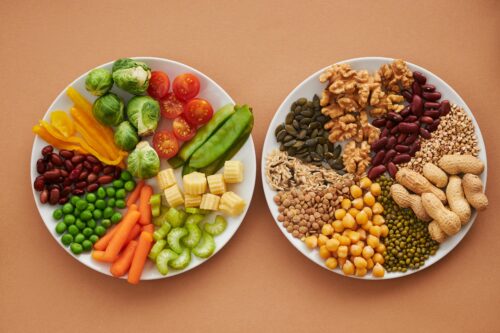
The safest and healthiest way to get your EFA is in their natural packages of starches, vegetables, and fruits. Here they are found in the correct amounts in protected environments surrounded by vitamins, minerals, fibers, antioxidants, and other phytochemicals to make them balanced nutrition. If you desire higher concentrations than are present in these foods then you will want to include more nuts, seeds, and soybean products in your diet. Remember, these are high fat foods and can contribute to obesity. Research suggests that there may be a connection between frequent nut consumption and a reduced incidence of coronary heart disease (Nutr Rev 54:241, 1996).
Flaxseed (as a whole seed) is one of the richest sources of alpha linolenic acid and is also a good source of soluble fiber. Consumption of 50g (1 2/3 ounces) of raw, ground flaxseeds has been shown to increase the amount of w-3 EFA in the blood and tissues and to lower the cholesterol by 9% and LDL “bad” cholesterol by 18% (Br J Nutr 69:443, 1993). Blood sugar was also decreased. Even though the benefits of EFA as oils on cancer growth are questionable, the lignans present in flaxseed seem to have an antitumor effect when fed at the early stages of cancer promotion (Nutr Cancer 26:159, 1996). Plant foods are the only source of phytoestrogens, like isoflavones, coumestans, and lignans, that are believed to be beneficial for many problems, including menopausal symptoms, osteoporosis, cancer, and heart disease (Annu Rev Nutr 17:353, 1997).
Flaxseed is also an excellent laxative. The number of bowel movements per week is found to increase by 30% with the addition of 50g of flaxseed daily. The seeds can be added to hot or cold grain cereals and consumed whole. Uncle Sam cold cereal and Prairie Sun Hot Cereal sold in the natural foods store have flaxseed. Or it can be ground in a coffee grinder and applied to almost any dish. About 5 tablespoons of ground flaxseed daily should have a positive effect. A mixture of ground nuts, seeds and vegetables, called “The Missing Link,” is sold in many natural food stores or can be ordered by calling (800) 446-2110. Refrigerate oils and ground seeds because they oxidize easily and become rancid.
For treating some conditions, such as rheumatoid arthritis or diabetic neuropathy, you may want to try oils high in gamma linolenic acid, such as primrose oil. The doses used are ½ to 1 ½ grams a day of gamma linolenic acid. This free oil is no longer to be thought of as a food–it is a medication used to treat symptoms of a disease with both positive and negative effects.
Recommended Articles

How to Cook Potatoes

Plant-Based on a Budget: How to Make Cheap Yet Tasty and Healthy Meals
Join the Conversation!
Have a question, a helpful tip, or a story from your journey? Add it below - your voice matters.